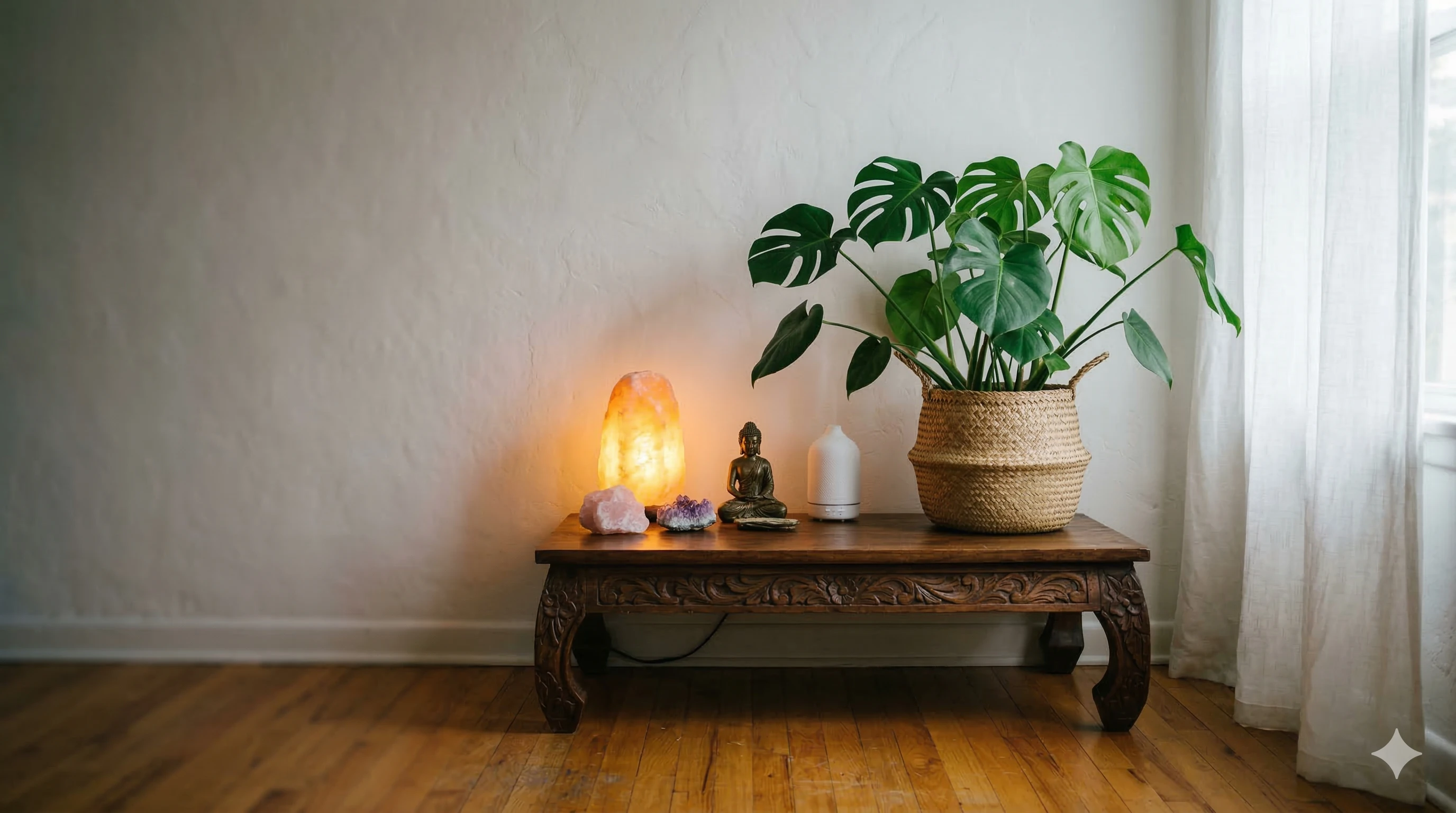
Vipassana mindfulness focuses on observing the breath, thoughts, and sensations without judgment. Rather than chasing a specific state, the goal is to witness your experience and understand your relationship to it. By practicing this, you'll learn that while discomfort is inevitable, the way you respond to it can be fundamentally different from the discomfort itself. The internal discipline of meditation will shift the way we deal with our (inevitable) discomfort. This can be a huge game changer when you apply it to your daily life and interactions.
At Brooklyn Qi, I guide meditation to move beyond the goal of "mental quiet" and focus on awareness. By learning to track sensation without judgment, we can begin to respond wisely and with intention, instead of reacting blindly.
A Physiological Reset.
Ways of Being with the Breath:
- Grounding and learning to locate safety in the body (e.g., the weight of the sitz bones) to counteract dissociation.
- Tracking and following the movement of sensation (tightness, heat, pulsing) to process emotion rather than repressing it.
- Learn to touch into difficult sensations in small, manageable doses so you don't become overwhelmed.
Group and Private instruction available.
Serving Park Slope, Windsor Terrace, Carroll Gardens, Cobble Hill, Gowanus, Kensington, Fort Greene, Bedford-Stuyvesant, Bushwick, Sunset Park, Downtown Brooklyn, and neighboring communities in Brooklyn and NYC
Common Questions
I've tried meditation before and can't quiet my mind. Is this for me?
Yes — especially if that has been your experience. Somatic meditation does not aim to quiet the mind. It teaches you to observe what is arising — thoughts, sensations, emotions — without being swept away by them. The practice is not about achieving stillness; it is about building a different relationship to whatever is present. Most people who have struggled with conventional meditation find this approach significantly more accessible.
What is the difference between Vipassana and other forms of meditation?
Vipassana is an insight-based practice focused on direct observation of bodily sensation and mental phenomena as they arise and pass. It is less concerned with achieving a particular state and more concerned with developing clear seeing — understanding the impermanent nature of experience. Compared to breath-focused or mantra-based practices, it tends to build stronger interoception (awareness of internal body sensation), which makes it particularly useful for nervous system regulation and somatic work.
Is this offered in a group or private setting?
Both. Private instruction is available for individuals who want tailored guidance, integration with their acupuncture treatment, or specific somatic work. Group instruction is periodically available — check with the clinic for current availability. Private sessions are recommended for those new to meditation or working through specific trauma-related presentations.
How does meditation complement acupuncture treatment?
Acupuncture works at the physiological level — regulating the nervous system through needle stimulation. Meditation builds the same capacity from the inside, training the prefrontal cortex to modulate the stress response rather than be overridden by it. Used together, they tend to produce more durable results than either alone, particularly for anxiety, insomnia, chronic pain, and the emotional weight of fertility or illness journeys.