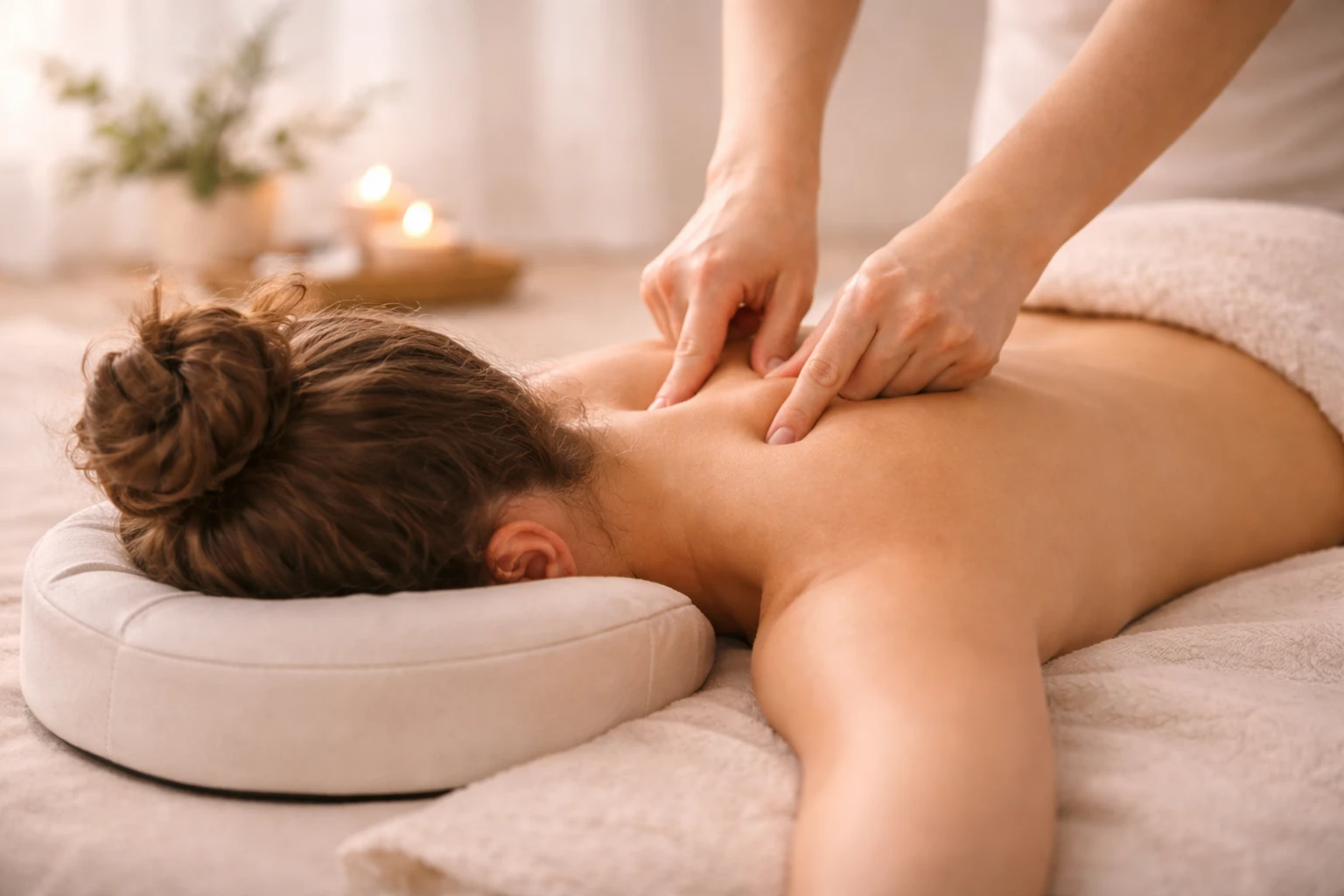
At Brooklyn Qi, we practice Sports Acupuncture. This is an active, repair-focused modality. We don't just want you "pain-free" while resting; we want you pain-free while doing. We treat the tissue at the cellular level to speed up the repair of tendons and ligaments, which notoriously heal slowly due to poor blood supply. We use needles, cupping, gua sha and bodywork.
What We Treat.
- Runner's Knee & IT Band Syndrome: Releasing the TFL and glute muscles to track the knee correctly.
- Plantar Fasciitis: Opening the calf muscles and sole of the foot to relieve tension on the plantar fascia.
- Rotator Cuff & Shoulder Impingement: Resetting the mechanics of the shoulder girdle to prevent grinding.
- Sprains & Strains: Using local needling to flush swelling and jump-start the collagen repair process.
Serving Park Slope, Windsor Terrace, Carroll Gardens, Cobble Hill, Gowanus, Kensington, Fort Greene, Bedford-Stuyvesant, Bushwick, Sunset Park, Downtown Brooklyn, and neighboring communities in Brooklyn and NYC
Common Questions
How does acupuncture speed up injury recovery?
Acupuncture accelerates repair through three primary mechanisms. First, local needling increases microcirculation to the injured tissue, delivering oxygen and nutrients while flushing inflammatory byproducts. Second, it stimulates fibroblast activity — the cellular process that lays down new collagen in healing tendons and ligaments. Third, it down-regulates the pain-spasm-pain cycle that keeps muscles locked in protective guarding long after the initial injury has stabilized.
Can I continue training while receiving treatment?
In most cases, yes. Liz works with your training schedule rather than against it. Treatment is typically timed so that more aggressive local work happens on rest days or after key sessions. For acute injuries, a short period of modified activity is usually recommended, but complete rest is rarely necessary and often counterproductive. She will give you a clear picture of what to modify and for how long.
What is cupping and how does it help athletes?
Cupping uses suction to lift the skin and superficial fascia away from the underlying muscle, dramatically increasing local blood flow and breaking up adhesions in the myofascial tissue. For athletes, it is particularly effective at releasing the IT band, thoracolumbar fascia, and calf compartments — areas where dense fascial restriction limits range of motion and contributes to overuse injuries. The marks it leaves are not bruises; they reflect the degree of stagnation in the tissue and typically fade within three to five days.
Do you treat post-surgical recovery?
Yes. Post-surgical acupuncture focuses on reducing scar tissue formation, restoring normal muscle firing patterns disrupted by surgery and immobilization, and rebuilding proprioception. It is most effective when started as soon as the incision is healed — typically four to six weeks post-surgery — and coordinated with your physical therapist's protocol.